


Environmental Benefits of Toyota Hybrid Ownership near Park Ridge, IL
Build a Sustainable Future With a Toyota Hybrid
At Victory Toyota of Midtown, we invite our Park Ridge, IL neighbors to discover the exceptional environmental benefits of Toyota hybrid ownership. Choosing a fuel-efficient Toyota vehicle allows us to collectively decrease harmful emissions and enhance local air quality throughout our communities. Our dedicated team is excited to showcase a versatile lineup that balances reliable performance with planet-friendly technology. We are fully committed to helping you transition toward a cleaner, greener tomorrow while enjoying an elevated driving experience.
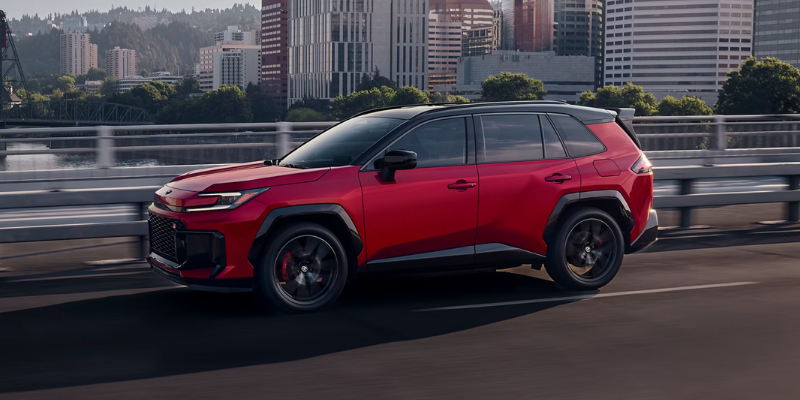
Higher Fuel Efficiency (MPG)
Toyota hybrid vehicles save a lot of gasoline by combining a traditional engine with an intelligent electric motor system. When you commute down Touhy Avenue or travel past Northwest Highway in Park Ridge, the vehicle automatically switches to battery power during slow driving. This smart design stops your car from wasting fuel while idling at red lights. The self-charging battery also captures energy every time you slow down, giving you excellent gas mileage all over town.
Eliminating Waste via “Idle-Off”
Eliminating Waste via “Idle-Off” technology helps safeguard our planet by automatically turning off a vehicle’s engine when it comes to a stop. This smart function stops cars from wasting fuel while sitting at red lights or trapped in heavy traffic, which directly reduces harmful tailpipe pollution. Toyota builds this efficient feature into many of its vehicles, making it easy for drivers to lower greenhouse gas emissions. Using this built-in system helps keep our neighborhood air cleaner.
Reduced Smog and Particulate Matter
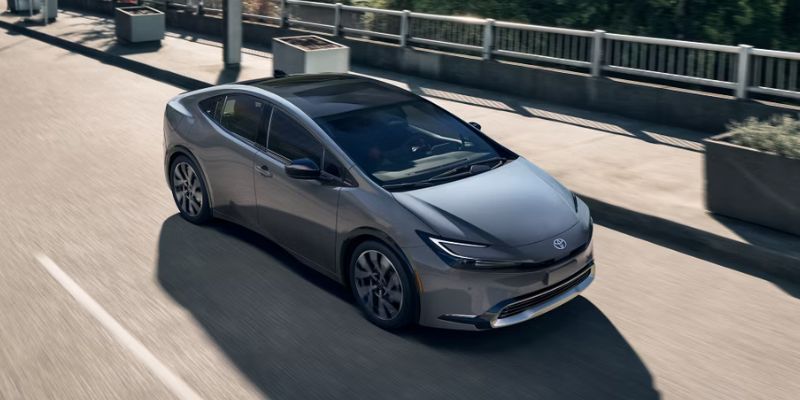
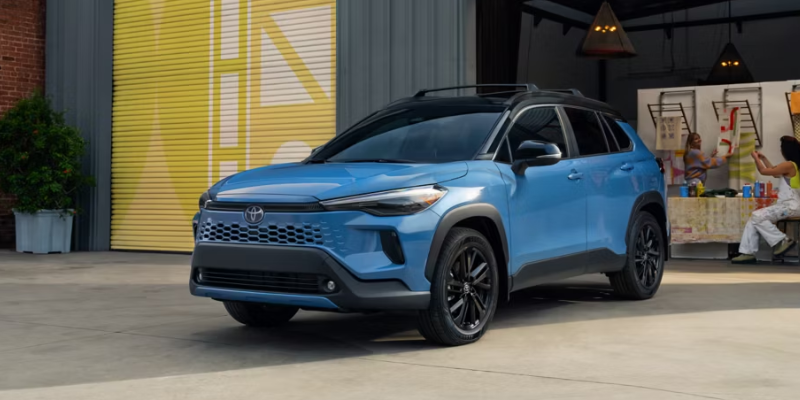
Toyota hybrids help keep the air clean around Park Ridge by cutting down on smog and dangerous particulate matter. By blending an electric motor with a gas engine, these vehicles release fewer harmful emissions. Whether you are driving past the historic Pickwick Theatre or visiting Hodges Park, you can breathe easier. With an impressive high equivalent MPG, these efficient models use less gasoline, significantly reducing harmful toxins in our atmosphere and protecting our local environment.
Explore Sustainable Toyota Hybrid Models Today
At Victory Toyota of Midtown, we invite you to explore sustainable Toyota hybrid models today. Our team is proud to offer a great selection of eco-friendly vehicles that help protect the planet. We are ready to answer your questions and guide you toward a greener future. Visit us to find your perfect hybrid vehicle now.