

Toyota Recommended Service Schedule Explained

Author: Victory Toyota of Midtown
If you’re a Chicago driver navigating the bustling streets and unpredictable weather, you’ll appreciate a maintenance guide tailored just for you. At Victory Toyota of Midtown, we understand the unique demands of driving in this vibrant city and neighboring areas like Melrose Park, Evanston, Skokie, Des Plaines, Franklin Park, and Park Ridge. With decades of experience servicing vehicles in our community, we’ve crafted this guide to align with the specific driving conditions and climate that affect your Toyota, ensuring it remains reliable and performs at its best, whether you’re tackling the snowy expressways or enjoying a summer drive along Lake Shore Drive.
Why Should You Follow a Maintenance Schedule for Your Toyota?
Adhering to a maintenance schedule is crucial in protecting your investment in a Toyota and ensuring its reliability on Chicago’s roads. With the area’s humid summers that strain fluids and the seasonal pollen that can obstruct air filters, your vehicle faces unique challenges. Regular maintenance not only addresses these local conditions but also helps your Toyota perform optimally in daily commutes, whether you’re navigating the bustling streets of the Loop or heading towards O’Hare International Airport.
Consistent service translates to better performance, enhanced fuel efficiency, and improved safety. A well-maintained Toyota, such as the RAV4 or Camry, is equipped to handle the stop-and-go traffic on I-90/94 or the unpredictable weather during winter months. This commitment to upkeep ensures your vehicle operates as intended, providing peace of mind while you tackle your daily errands or weekend getaways. For more insights on vehicle care, resources like Edmunds offer a wealth of information.
How Does Toyota’s Service Reminder System Work?
Many Toyota vehicles are equipped to notify drivers when routine maintenance is approaching. Depending on the model and year, this reminder may be a straightforward time or mileage counter, or it might adjust based on how the vehicle is used. This system is designed to help you stay informed about when to check your vehicle’s service needs.
When it’s time for maintenance, you might see a message on your dashboard, a service indicator light (often resembling a wrench), a maintenance reminder, or an oil-life percentage displayed. The specifics can differ by model, so it’s important to consult your owner’s manual for the precise details. Additionally, local driving habits-like frequent short trips, stop-and-go traffic, towing, or varying temperatures around Chicago and nearby areas like Melrose Park, Evanston, and Skokie-can influence how often service is needed.
What Does the Primary Service Reminder Mean?
Understanding the primary service reminder is essential for maintaining your vehicle’s health. It serves as a high-level alert indicating that scheduled maintenance is due or approaching. Depending on the make and model of your vehicle, this reminder may manifest as a simple message or indicator, while others might provide additional context through a maintenance menu or display. Since the specifics can differ significantly across models and years, referring to your owner’s manual and the in-vehicle maintenance information will give you the most accurate details about what services are required.
Primary reminder: A general alert prompting you to check the scheduled maintenance recommendations for your vehicle. While it signifies that maintenance is approaching, it may not specify every service item needed.
Additional details (if shown): Some vehicles may offer further information, such as a maintenance screen, percentage indicators, descriptive messages, or icons, which can help clarify what needs attention. If these details are available, consult them along with your owner’s manual for precise service recommendations.
What Do Additional Service Indicators Mean?
Many vehicles offer extra details alongside the primary service reminders, enhancing your understanding of what maintenance may be needed. These additional indicators can appear as symbols, extra items, or menu entries, and vary by vehicle. While not all Toyota models feature these details, the examples below highlight common service items that some vehicles may reference. Always check your owner’s manual or vehicle display for specific meanings.
- Tire rotation: Regular tire rotation helps ensure even tread wear, which is especially important if you frequently navigate Chicago’s stop-and-go traffic or take short trips around neighborhoods like Skokie and Des Plaines.
- Engine and cabin air filters: Engine air filters maintain airflow to the engine, while cabin filters ensure clean air inside. In areas with heavy pollen or dust, like during spring in Lincoln Park, these filters can become clogged more quickly.
- Transmission fluid: Some vehicles track transmission fluid service needs, which can increase with frequent short trips or driving in hilly areas. This is particularly relevant for those commuting on the Kennedy Expressway.
- Spark plugs and valve clearance check (when applicable): Spark plug replacement is often scheduled for high-mileage vehicles, and some engines may need a valve clearance check. These services are important for maintaining engine performance over time.
- Engine coolant: Coolant regulates your engine’s temperature and protects its components. Hot weather and long drives, like those on Lake Shore Drive, can elevate the demands on your cooling system.
- Rear differential fluid (AWD/4WD, if equipped): If your vehicle has all-wheel drive, the rear differential fluid may require service. Driving in wet conditions or on uneven surfaces common in winter around O’Hare can increase wear on these components.
- Brake fluid: Over time, brake fluid can absorb moisture, affecting braking performance. If your vehicle indicates brake fluid service, it’s crucial to follow the recommended intervals to ensure safety.
What is a Typical Toyota Service Schedule for Chicago Drivers?
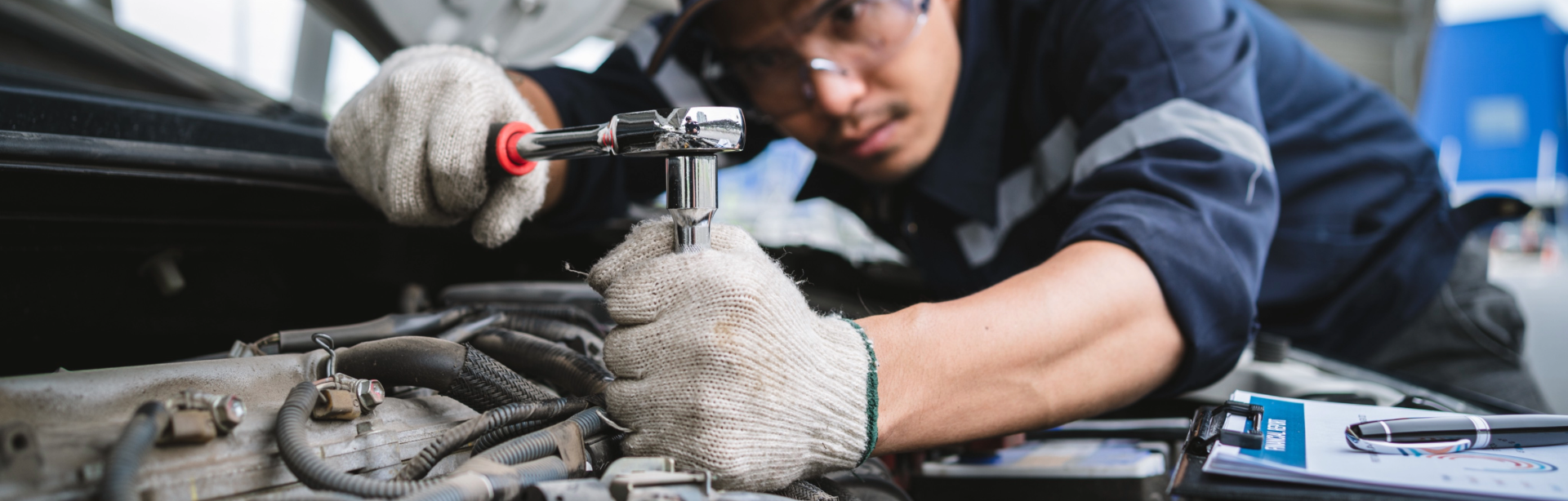
Even if your Toyota features service reminders or maintenance information in the dashboard, having a general understanding of typical maintenance timing can be invaluable for planning ahead. This overview is designed to complement your owner’s manual and any in-vehicle guidance (if available), while also taking into account common driving patterns here in Chicago-such as short trips through the city, stop-and-go traffic on State Street, steady highway driving on the Kennedy, and seasonal temperature fluctuations.
What Services Are Needed in the First 30,000 Miles?
In the early stages of vehicle ownership, many drivers focus on essential services such as routine oil changes, tire rotations, and filter maintenance. The specific timing for these services can vary significantly based on your Toyota model, driving habits, and the guidelines provided in your vehicle’s owner’s manual.
Oil service: Oil changes may be required more frequently based on how the vehicle is used. For instance, if you frequently navigate the stop-and-go traffic of downtown Chicago or face the challenges of mixed driving conditions in areas like Melrose Park or Skokie, you might find yourself needing to change the oil sooner than if you primarily drive on highways. It’s important to monitor your oil levels and condition regularly to ensure your engine stays healthy.
Tires and filters: Tire rotations are generally recommended at regular intervals to promote even wear. Additionally, engine and cabin air filters should be checked periodically, especially given the local environment where pollen, dust, and construction debris can affect air quality.
What Maintenance Should Be Done Between 30,000 and 60,000 Miles?
As your Toyota approaches the 30,000 to 60,000-mile mark, maintenance often transitions from routine checks to more critical services aimed at preserving the health of key systems. The exact timing for these services can vary based on your specific model, powertrain, and driving habits.
Maintaining clean transmission fluid is crucial for ensuring smooth gear shifts and the longevity of one of your vehicle’s most vital components.
Regular inspections of your brakes and tires become increasingly important for safe driving on busy roads or during wet weather.
What Major Services are Required Approaching 100,000 Miles?
As your Toyota approaches the milestone of 100,000 miles, several key maintenance services often come into play. The timing of these services can vary depending on your specific model and engine type, so it’s essential to consult your owner’s manual and any in-vehicle maintenance alerts to ensure you’re on the right track.
Spark plug replacement: Many Toyota models suggest replacing spark plugs around this mileage, although this can differ based on the engine design. Fresh spark plugs help ensure your engine runs smoothly, improves fuel efficiency, and enhances reliability, especially as wear accumulates over years of driving through Chicago’s varied conditions.
Timing belt replacement and coolant service: Certain older engine designs may require timing belt replacements, while many modern engines utilize timing chains that typically don’t necessitate routine replacement. Additionally, regular coolant service, including flushing and replacement, is crucial for protecting your cooling system from corrosion and overheating. Staying proactive with these services not only enhances your vehicle’s longevity but also supports its resale value-check out Kelley Blue Book for insights on how maintenance impacts long-term vehicle value.
Why is Local Expertise Important for Servicing Your Toyota?
Having a service team that understands the unique driving conditions around Chicago is invaluable for your Toyota’s longevity and performance. Local factors like the intense summer heat, high humidity, and seasonal pollen can affect everything from your air conditioning system to your engine components. Additionally, the clay-rich soil in areas like Skokie and Evanston can lead to specific wear on filters and undercarriage parts. Our technicians at Victory Toyota of Midtown are trained to recognize these region-specific challenges and know how to address them, ensuring that your vehicle remains reliable through all of Chicago’s weather extremes.
Our experts pay attention to wear patterns that arise from navigating busy streets like Michigan Avenue or the congestion on the Kennedy Expressway. This local insight helps us perform maintenance that specifically targets potential issues before they become costly repairs. For further information on vehicle safety, you can explore resources from the National Highway Traffic Safety Administration (NHTSA) and the official Toyota Owners site tailored for your model.
Frequently Asked Questions (FAQs)
How often should I really change my oil in Chicago’s climate?
Your vehicle’s service reminder or owner’s manual is the best guide for oil change intervals, which can vary based on driving habits and conditions. In Chicago’s fluctuating weather, many drivers find it best to change their oil regularly, especially with the impact of harsh winters and summer heat.
Are all-season tires sufficient for driving in the Chicago area?
For most of the year, high-quality all-season tires are adequate for navigating Chicago’s diverse weather, including rain and mild winters. However, in heavy snow or icy conditions, dedicated winter tires can significantly enhance safety and traction.
Does commuting on local highways affect my service intervals?
Yes, it can. Heavy traffic on crowded highways, such as I-90/94, increases stress on your engine and brakes compared to steady driving. If your vehicle has a service reminder system, it may suggest more frequent maintenance based on your driving patterns.
How often should I change my cabin air filter in a city with high pollen counts?
Inspecting your cabin air filter annually is advisable, particularly after the spring pollen season. Many Chicago drivers find this keeps the air inside their Toyota clean and the A/C system running smoothly.
Is all-wheel drive (AWD) worth it for driving in Chicago?
While not essential for everyone, a Toyota with AWD offers significant advantages during Chicago’s snowy winters, enhancing stability and traction on slippery roads and bridges. This feature can provide extra confidence whether you’re commuting on Lake Shore Drive or navigating residential streets.
My vehicle doesn’t have a service reminder system. What schedule should I follow?
For older models without a service reminder, it’s generally recommended to change the oil regularly. Always refer to your owner’s manual for specific intervals on other services like fluid changes and timing belts.
About Victory Toyota of Midtown
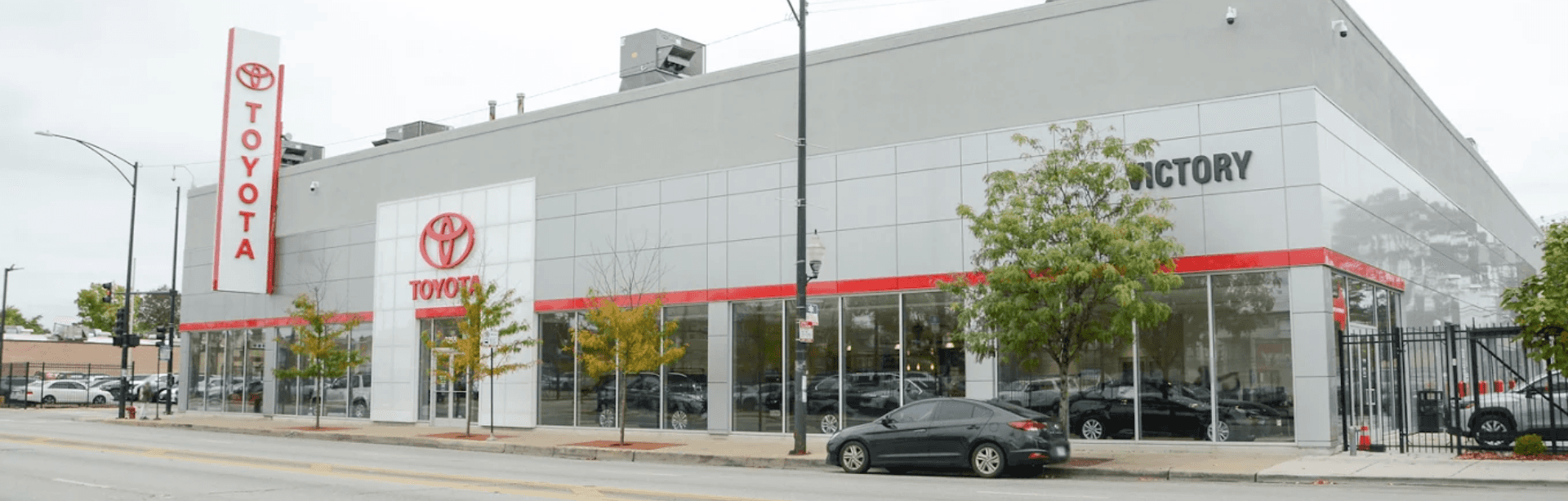
At Victory Toyota of Midtown, our family-owned dealership is dedicated to providing an exceptional and trustworthy car-buying experience. We are honored to be recognized by Carfax as a 2024 Top Rated Lifetime Dealer, a testament to our commitment to you. Our factory-trained technicians and knowledgeable team offer their expertise to help you find the perfect vehicle or service your current one. To show our appreciation, we provide unique benefits like a 90-day warranty and two years of complimentary maintenance on every used car we sell. We invite you to visit us and see why our customers and community are at the heart of everything we do.
Related Articles:
Your Chicago Guide to Finding a Toyota Dealer You Can Count On